
Exotic Pets
Antioch Dog and Cat Hospital welcomes small mammals and reptiles. Our veterinarians can advise you about proper care, feeding, and maintenance of your pet, as well as treat illnesses and conditions specific to their species.
Many of these pets require a very particular environment to thrive, and it’s important you have a veterinarian experienced in their care to help. We see a wide variety of pets, so if your companion is something smaller—or a little more exotic—than a cat or dog, don’t hesitate to give us a call!
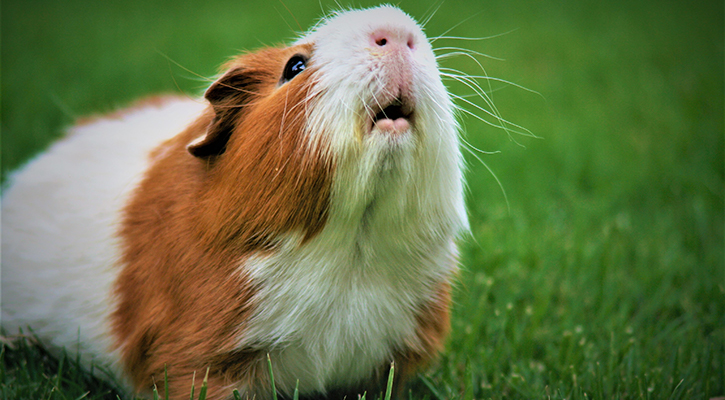
Gerbils, Guinea Pigs, Hamsters, Mice, and Rats
Just because they’re small doesn’t mean they can’t benefit from veterinary attention. Teeth, which grow continuously in gerbils, guinea pigs, and hamsters, often require trimming. We can also recommend appropriate chew toys, which may help keep the teeth worn down. Parasites such as lice, mites, and fleas can infest your pet, and these companion animals can experience a variety of other health concerns.
Call us if your pet stops eating, loses weight, appears quieter than normal, has discharge from the eyes or nose, or develops a lump on its body. We can provide treatment options that align with your pet’s needs and your budget.
Rabbits
Rabbits are susceptible to a variety of diseases and conditions, including overgrown teeth, hairballs, parasites, and cancer. They also tend to hide signs of illness or pain, which makes regular veterinary care especially important.
- Contact us if your rabbit:
- Has discharge from the eyes or nose, runny stool, or a gurgling stomach
- Has an elevated or low temperature
- Begins drooling, scratching at the ears, or sneezing
- Starts tilting his or her head
- Develops bald patches in the fur
- Stops eating, appears overly quiet, or shows other abnormal behavior
In addition, rabbits benefit from routine dental checkups. We can help identify and address dental issues before they become serious or potentially life-threatening.
We also strongly recommend spaying or neutering your rabbit. Rabbits can reproduce frequently and have large litters, but even in single-rabbit households, spaying or neutering offers significant health and behavioral benefits. These procedures can reduce the risk of certain cancers and help minimize behaviors such as aggression, spraying, mounting, destructive chewing, and biting—without changing your rabbit’s personality.
If you have questions about rabbit care, we’re happy to discuss proper diet, housing, grooming, and litterbox training.
Ferrets
Annual wellness exams are an important part of keeping your ferret healthy. These visits allow us to monitor changes over time and catch potential concerns early, when they are easier to treat. As ferrets age, they may require additional testing and dental care.
Common ferret health issues include gastrointestinal disease, parasites, and cancer. Ferrets are naturally curious and may ingest objects they shouldn’t, which can lead to serious complications. Routine bloodwork can help assess kidney, liver, and pancreatic function.
Ferrets may also benefit from certain vaccinations and monthly preventives, which we can discuss during your visit. Please bring a stool sample to your ferret’s annual exam so we can test for internal parasites.
Unless you plan to breed your ferret, spaying or neutering is strongly recommended. Female ferrets (jills) that are not spayed can remain in heat, which may lead to life-threatening anemia. In male ferrets, neutering can reduce odor, marking behaviors, and aggression.
Contact us right away if your ferret shows unusual symptoms such as vomiting, diarrhea, hair loss, decreased appetite, breathing difficulty, black ear wax, discharge from the eyes or nose, lumps, swelling, or changes in behavior.
Helpful Supplies
For select supplies, preventives, and other products your exotic pet may need at home, our online pharmacy may have options available. Our team is happy to help guide you on what is most appropriate for your pet’s specific needs.
At Antioch Dog & Cat Hospital, we are committed to providing thoughtful, knowledgeable care for your exotic pet. If you have questions about your pet’s health or would like to schedule an exam, call us at 816-453-7272 or Make An Appointment online. Our team is here to support you and your pet every step of the way.